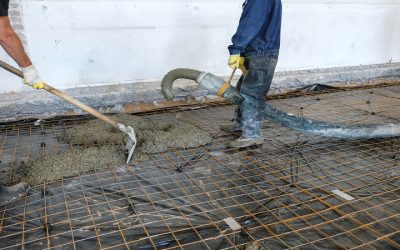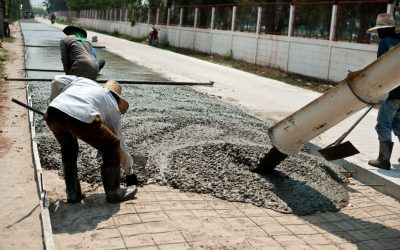
Concrete can be used for many parts of a property, but each installation has a different job to perform. A walkway needs to guide people comfortably, a patio needs usable space, and a driveway needs to accommodate vehicles and repeated traffic. Temecula homeowners planning a concrete project can get better results by starting with the intended use and site conditions, then choosing the appropriate layout and finish around those requirements.
If you are looking for a concrete contractor in Temecula, CA, describe the project before discussing only price. Explain the size and location of the area, whether existing material must be removed, how the space will be used, and whether the property has drainage or access concerns. These details give a contractor the context needed to discuss preparation and installation realistically.
Existing conditions can change the scope considerably. An old concrete surface may need removal, vegetation may have grown into the area, or the ground may require reshaping before new concrete can be installed. Equipment access and material delivery also matter. Looking at those issues before work begins helps distinguish the visible installation from the preparation required to make it possible.
Design should follow the way people will use the finished space. A patio should leave room for furniture and movement. A walkway should connect destinations without creating awkward turns. A driveway needs appropriate clearance and turning space. Starting with these everyday uses can prevent a common problem: selecting a shape or size first and discovering later that it does not work as well as expected.
Water management is another part of good planning. Concrete changes the surface of the property, so its relationship with surrounding grades and drainage paths matters. A contractor can point out areas that deserve attention and explain when additional drainage or site work may be needed. The exact solution should be based on the property rather than automatically applied to every project.
The final finish should suit both the location and the intended use. Homeowners can discuss texture, appearance, edges, and other design preferences before the work begins. These choices are easier to coordinate when they are part of the initial scope. It is also important to understand curing and early-use expectations so the new surface receives appropriate care after installation.
Long-term care is worth considering at the planning stage. Concrete is durable, but it still benefits from reasonable maintenance and attention to changes in its condition. Cleaning practices, weather exposure, use, and the type of finish can all affect appearance over time. Following project-specific care guidance can help homeowners preserve the investment and recognize issues before they become more difficult to address.
Hoffman’s Concrete Construction can help homeowners in Temecula discuss concrete projects in terms of how the finished space should function. Whether the work involves a driveway, patio, walkway, or another surface, understanding the site, preparation, layout, drainage, and finish gives the project a stronger foundation. The best concrete work is not simply a material choice. It is a design and installation decision tied to how the property will actually be used.
Clear expectations at the beginning make the rest of the project easier to manage and easier to evaluate. Before work starts, write down the outcome that matters most, the areas that need attention, and any conditions that could change the sequence. That small amount of preparation can make later decisions simpler because everyone is working from the same understanding of the project.
The practical details matter because a good result should fit the property, process, or people involved rather than follow a generic formula. Take time to identify constraints early, especially where access, timing, information, or preservation is important. A realistic plan leaves room for normal changes while keeping the main objective clear.
A thoughtful plan also makes it easier to recognize which decisions need professional input and which can be handled during routine planning. That distinction saves time and keeps the project focused. When the important questions are identified early, conversations with a contractor, consultant, photographer, clinician, or service provider can be more specific and more useful.
Frequently Asked Questions
What should I discuss with a concrete contractor?
Discuss site conditions, intended use, dimensions, preparation, drainage, finishing, access, scheduling, and curing expectations.
Can old concrete be replaced?
Often, yes, but the appropriate removal and replacement process depends on the existing surface, site access, and the new project’s requirements.
Is every concrete installation prepared the same way?
No. Soil, grade, existing surfaces, drainage, access, and intended use can all change the preparation needed.